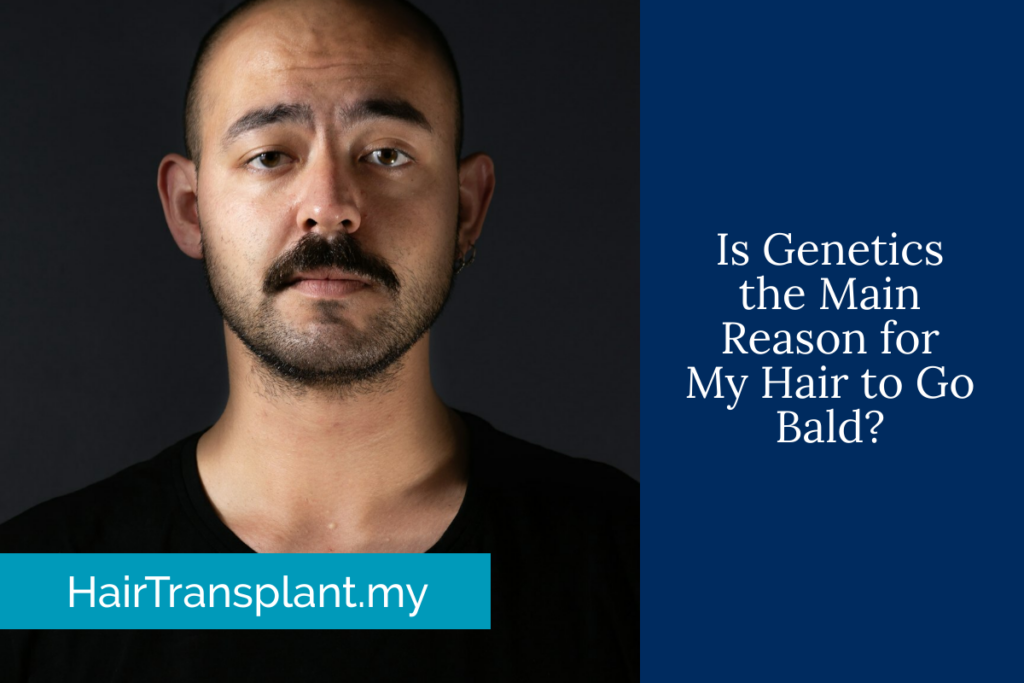
So, you’ve noticed your hairline creeping back or more strands falling out in the shower — and you’re wondering, “Is this just bad luck, or did I inherit this from my parents?” It’s a common question, and the short answer is: yes, genetics plays a major role in hair loss. But it’s not the only factor.
Let’s Talk Genetics
When people talk about hair loss being “in your genes,” they’re usually referring to a condition called androgenetic alopecia, also known as male or female pattern baldness. This is the most common type of hair loss, and yes, it’s hereditary. If your dad, mum, uncles, or even grandparents had thinning hair or bald spots, there’s a good chance you might experience it too.
For men, this usually starts with a receding hairline or thinning at the crown. For women, it often appears as a general thinning all over the scalp rather than distinct bald spots. The genetic component comes from both sides of your family, so it’s not just your dad’s fault!
But Wait — It’s Not Just Genetics
While genes might load the gun, your lifestyle, health, and environment can pull the trigger. Here are other common causes of hair loss that could be contributing to what you’re seeing in the mirror:
- Stress: High stress levels can push hair into the resting phase, causing excessive shedding. This is often temporary, but chronic stress can have long-term effects.
- Diet: Hair needs nutrients like protein, iron, zinc, and vitamins (especially B12 and D) to grow. Poor nutrition can slow growth or cause shedding.
- Hormonal changes: Conditions like thyroid disorders or hormonal imbalances (like after childbirth or during menopause) can also trigger hair loss.
- Medical issues: Certain medications, illnesses, or scalp infections can affect your hair health too.
- Hair care habits: Overstyling, frequent use of heat tools, or harsh chemicals can damage hair and cause it to fall out more easily.
What Can You Do?
If you suspect genetics is playing a role, don’t panic — it doesn’t mean you’re helpless. There are a number of things you can do to slow down or manage the process:
- See a professional: A dermatologist or hair specialist can help identify the exact cause of your hair loss and suggest suitable treatments.
- Use proven treatments: Products like minoxidil (Rogaine) or finasteride (for men) are clinically proven to help with genetic hair loss. But consistency is key!
- Healthy habits: A balanced diet, regular exercise, and stress management can support overall hair health.
- Gentle care: Avoid tight hairstyles, harsh treatments, or overwashing your hair.
Final Thoughts
Yes, genetics is a major factor when it comes to going bald — but it’s not the whole story. Your hair health is influenced by a mix of inherited traits and how you care for yourself. Understanding the full picture can help you take control of your hair journey, rather than just blaming it all on your family tree. Feel free to reach out our team at HairTransplant.my if you need any assistance.